Know the vignette rules before you hit the motorway
On-Vignette explains where time-based e-vignettes apply, how plate registration works, and what to double-check before you cross into Austria, Hungary, Switzerland and neighbouring countries.
Europe at a glance
How Europe’s motorways are charged
Rounded guide figures for passenger cars on the main network — vignettes, toll gates, and largely free motorways sit side by side across the continent.
- ~80,000km
EU motorway network
About 80,000 km of motorways across the EU (Eurostat-scale total, rounded).
- ~40%of network
Toll or vignette roads
Roughly two in five motorway kilometres involve some charge for cars.
- 9countries
Time-based vignettes
Core countries where cars need a period vignette on the tolled network.
- ~12countries
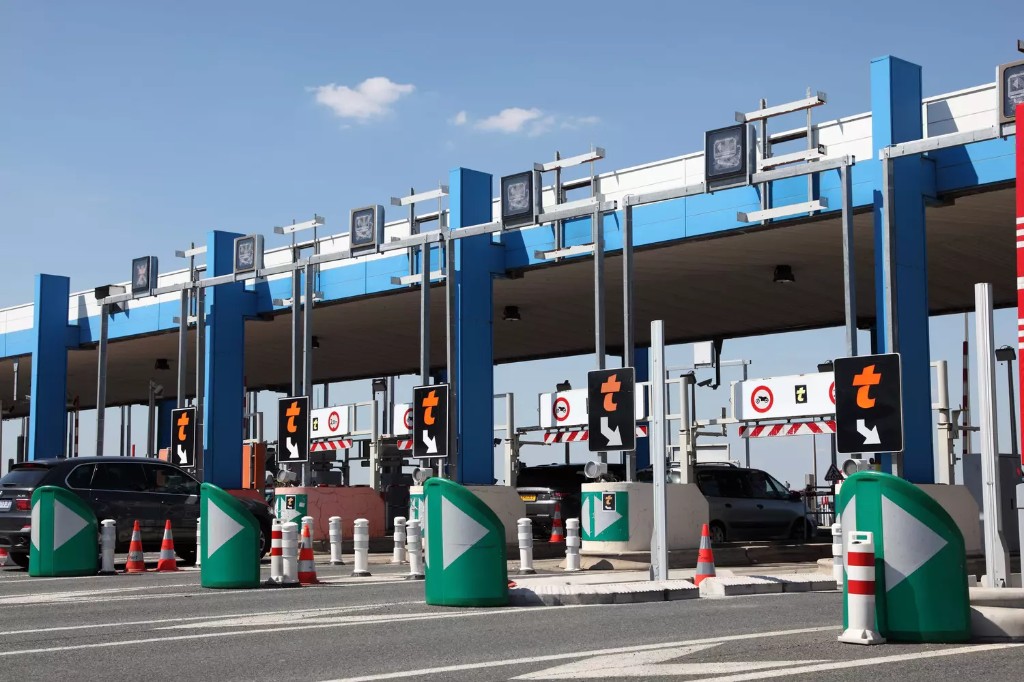
Toll gates / pay-per-use
Countries where barriers or distance tolls are the usual model for cars.
- ~15countries
Largely free motorways
Countries where cars can use most of the main motorway network without a vignette or gate toll.
Hover or focus a country to see how cars are usually charged.
Colour key
Vignette
Buy coverage for days, months, or a year — usually plate-linked and camera-checked.
Toll gates / distance
Pay at barriers or via distance-based electronic tolls on many motorways.
Mostly free for cars
Main motorways are generally free for passenger cars (HGVs may still pay).
Figures are rounded teaching estimates for light vehicles on primary motorways, not a live operator feed. Local tunnels, city rings, concessions, and HGV rules often differ — always check the country page for your route.
Digital vignettes in plain language
On many Central and Eastern European motorways you do not pay at a barrier on every ramp. Instead you need a time-based vignette — today almost always digital — that links coverage to your vehicle’s number plate for a set period.
Cameras and roadside checks compare plates against the operator’s register. There is usually nothing to stick on the windshield, so the details you enter at purchase (plate, category, start date) have to match the car you actually drive.
Each country still sets its own periods, motorcycle rules, and extras such as Austrian section tolls for certain tunnels. Pick a country below for coverage notes and the periods drivers typically choose.
Worth reading before the trip
Short explanations of digital tolls, borders, and the small mistakes that lead to fine letters.
Why plates replaced windshield stickers
How e-vignettes are stored against your registration plate — and why a typo matters more than glue on glass.
Arriving in Switzerland by car
The annual motorway vignette, where coverage begins, and how Swiss checks differ from neighbouring vignette systems.
10 days, a month, or a year?
A calm way to match trip length to common validity periods in Austria, Hungary, Czechia and nearby countries.
The usual paths to a vignette fine
Wrong start date, late purchase, or a mismatched plate — how camera enforcement turns a small oversight into a costly letter.
Countries covered on On-Vignette
Open a row for that country’s guide: which roads need a vignette, available periods, and the details worth checking before you leave.








Driving without a vignette — what usually follows
On vignette roads, an unregistered plate is typically treated as toll evasion. Checks are often automatic: cameras capture the plate and compare it with the operator’s database, sometimes days or weeks before a letter arrives.
Fine levels and appeal routes differ across Austria, Hungary, Czechia, Slovakia, Slovenia, Romania, Bulgaria and Switzerland — but the pattern is similar. A missing, expired, or mistyped vignette is expensive compared with buying the right period in advance.
Before the first charged kilometre: confirm your route uses vignette roads, choose a period that covers the whole stay, and re-check the plate and start date. That short check is the cheapest insurance against a fine notice later.
Common questions from drivers
Do all European motorways require a vignette?
No. France, Italy and many other networks use barrier or distance-based tolls. Time-based vignettes are typical in parts of Central and Eastern Europe — including Austria, Hungary, Czechia, Slovakia, Slovenia, Romania, Bulgaria and Switzerland. Use the country pages for the route you plan.
Is an e-vignette tied to my license plate?
Yes. Digital products are registered to the plate (and often the vehicle category), not stuck on the glass. Enforcement systems look up the plate in the operator database, so it must match the purchase exactly.
When do I need coverage to be active?
Before you drive onto a vignette-required road. Some operators let you set a future start date; others begin from purchase. Waiting until the first camera — even with good intentions — is a common reason for fines.
What if I drive without a valid vignette?
Most countries treat it as toll evasion. Fines are usually far higher than a short-term vignette, and appeals rarely succeed with “I didn’t know.” Rules and amounts differ by country.
Do motorcycles follow the same rules as cars?
It depends. Some networks exempt motorcycles, others sell a motorcycle product, and a few use the same vignette as cars. Confirm the category on the relevant country guide before you buy.
Does a national vignette cover alpine tunnels?
Not always. In Austria, several tunnels and sections need a separate section toll even when you already hold a motorway vignette. Country guides flag these extras where they apply.
Is On-Vignette an official toll operator?
No. On-Vignette (on-vignette.com) is an independent guide and intermediary. National operators issue the official vignette; if you order through us, any fee we charge is included in the price shown at checkout.
On-Vignette (on-vignette.com) is an independent guide that helps drivers understand and, where offered, purchase official e-vignettes for European motorways. We are not affiliated with ASFINAG, DARS, CNAIR, NDS or any other national toll operator. Where a purchase is made through us, our fee is included in the displayed price.